


5 Reasons Your Stretch Marks Never Faded No Matter What You Tried (And The One Protein That Actually Rebuilds The Skin)

READ THIS BEFORE you buy another bottle of bio oil, book another laser session, or accept that your stretch marks are permanent.
You've had them for years.
Maybe they came from pregnancy. Maybe from weight gain. Maybe from a growth spurt when you were a teenager. Maybe from the gym.
They started red or purple. Over time they faded to those silvery, shiny lines. But they never went away.
They're on your stomach. Your hips. Your thighs. Your breasts. Your arms. The places you cover up. The places you don't want anyone to see.
You've tried bio oil. Cocoa butter. Vitamin E. Stretch mark creams that cost $40 a tube. Maybe even laser treatments or microneedling.
Nothing made them disappear. Some products faded the color a little. None of them fixed the texture, the indentation, the way the skin feels different where the marks are.
Here are five reasons why nothing worked.
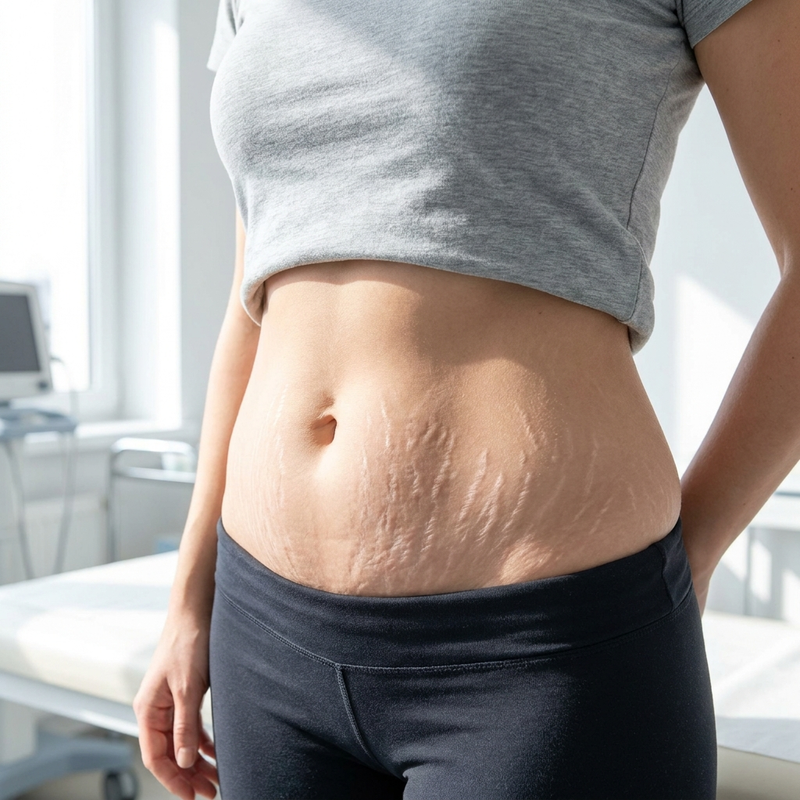
Reason 1: Your Stretch Marks Aren't On Your Skin. They're Tears Underneath It.
Everyone treats stretch marks like a surface problem. A discoloration. A blemish to fade.
They're not on the surface. They're underneath.
A stretch mark is a tear in the second layer of your skin called the dermis. When your skin stretched faster than it could handle, the fibers in the dermis ripped. The surface stayed intact, which is why a stretch mark looks like a scar showing through thin skin rather than an open wound.
That silvery line you see on top is just the visible sign of damage that happened deep underneath.
That's why creams never worked. You've been treating the surface. The tear is in the layer below.
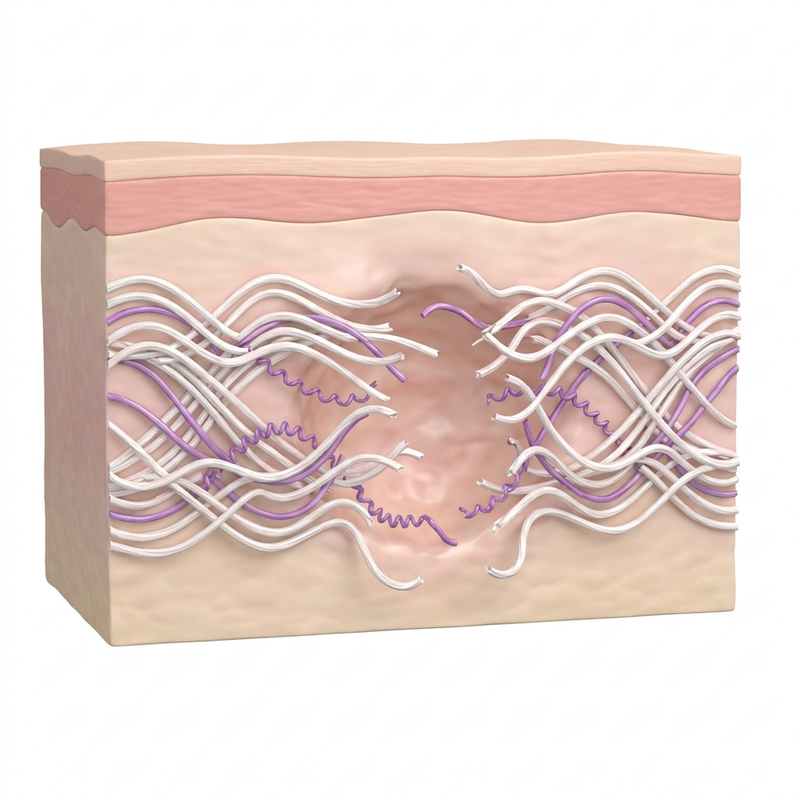
Reason 2: The Fibers That Tore Are Made Of A Protein Called Elastin
Your dermis is held together by two proteins. Collagen and elastin.
Collagen is the structure. The scaffolding. The strength.
Elastin is the stretch and snap-back. It works like rubber bands, letting your skin expand and bounce back into place.
When your skin stretched past its limit, both proteins tore. But here's what matters. When your body tried to repair the damage, it filled the gap with disorganized scar tissue. The elastin that grew back came back broken and disordered. It never regained its normal stretch and snap-back.
That's why the skin where your stretch marks are feels different. Looks different. Has that empty, soft, slightly sunken texture. The elastin in that area is permanently damaged and your body can't properly rebuild it on its own.
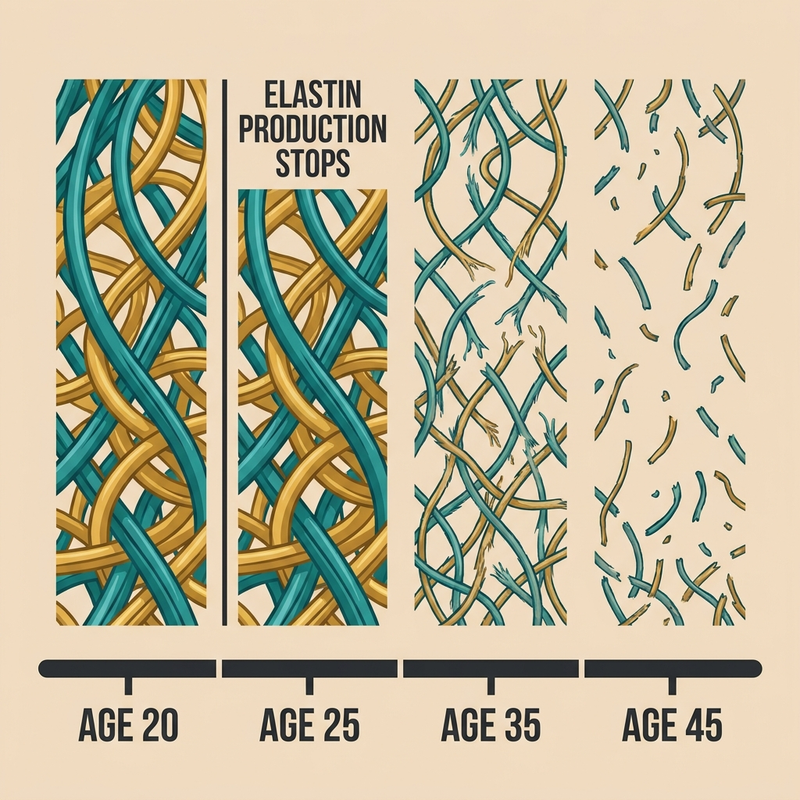
Reason 3: Your Body Stopped Making New Elastin In Your Twenties
Here's the part nobody tells you.
Your body stopped producing new elastin in your mid twenties.
So when your stretch marks formed and the elastin fibers tore, your body had no real way to replace them with healthy new elastin. It patched the area with scar tissue and disordered fibers because that's all it could do.
If you got stretch marks during a teenage growth spurt, your body had some elastin to work with but still healed with scarring. If you got them during pregnancy or weight gain in your thirties or forties, your body had almost no new elastin to repair the tears properly.
That's why stretch marks fade in color but never in texture. The pigment settles over time. But the structural damage, the torn elastin underneath, stays exactly as it was. Because your body can't make the protein needed to rebuild it.
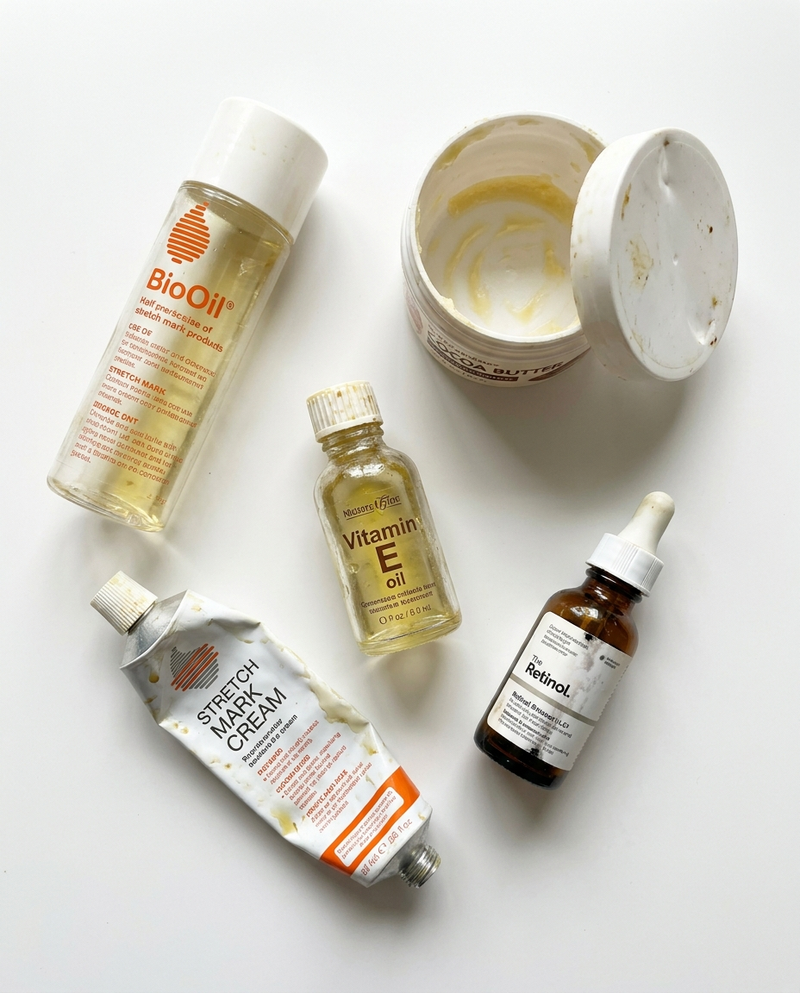
Reason 4: Everything You've Tried Targets The Surface, The Color, Or The Wrong Protein
Bio oil and cocoa butter moisturize the surface. The torn elastin is in the dermis underneath. They never reach it.
Vitamin E oil sits on top of the skin. It does nothing for the structural damage below.
Stretch mark creams claim to fade the marks. At best they slightly reduce the color. They do nothing to rebuild the torn fibers underneath.
Retinol stimulates collagen. But collagen was only half of what tore. And it does nothing for the broken elastin, which is the protein responsible for the skin's ability to stretch and stay smooth.
Laser treatments and microneedling try to trigger new collagen and elastin growth through controlled injury. They can help some, but they cost hundreds to thousands of dollars per session, require multiple treatments, and your body still struggles to produce healthy new elastin because it stopped making it decades ago.
Every option on the market either sits on the surface, targets the color, or targets the wrong protein.

Reason 5: The Protein That Rebuilds The Tears Was Being Thrown Away
The richest natural sources of elastin are found in parts of wild-caught marine fish that are usually thrown away.
The skin. The scales. The parts the fishing industry has been discarding for decades.
The exact protein your skin needs to rebuild the torn fibers underneath your stretch marks was in the waste bin the entire time.
The supplement industry ignored it. Collagen was cheaper and easier to sell. So every product talked about collagen while the protein that actually controls stretch and snap-back was thrown overboard.
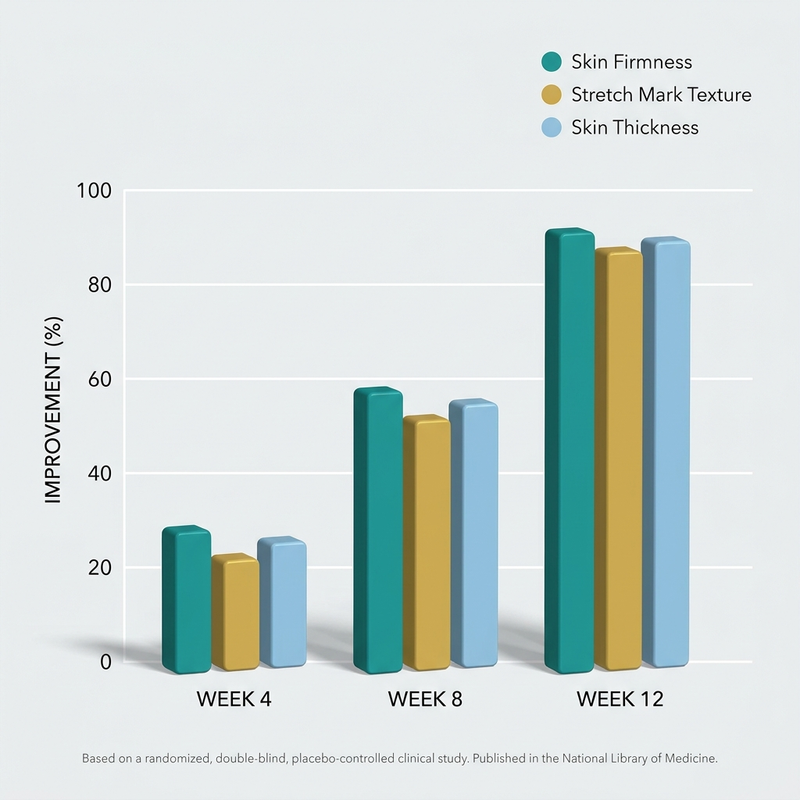
Then researchers put marine elastin peptides through gold-standard clinical trials.
Double-blind. Placebo-controlled. Published in the National Library of Medicine.
Those who took marine elastin peptides daily saw a 250% increase in elastin production within 12 weeks.
Taken orally as a capsule, the peptides are absorbed and delivered to the dermal layer from the inside. The exact layer where your stretch marks live. The exact layer no cream, oil, or serum has ever been able to reach.
For the first time, something was rebuilding the protein at the source of the damage instead of sitting on top of it.
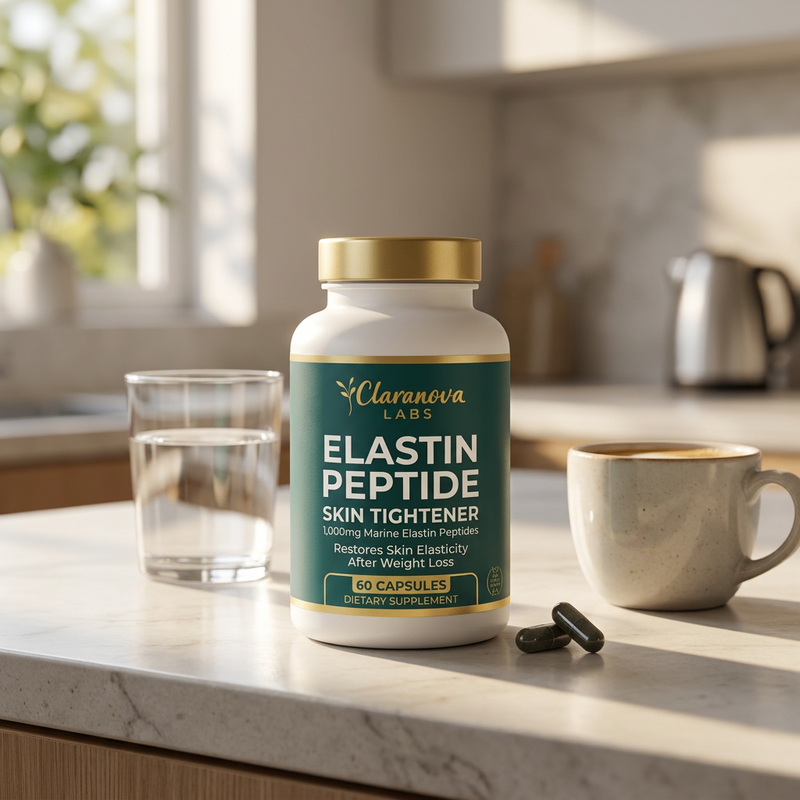
A company called Claranova Labs recently made clinical-dose marine elastin peptides accessible to everyone.
1,000 milligrams of marine elastin peptides sourced from wild-caught fish.
Two capsules a day.
The highest dose on the market.
No proprietary blend. No filler.
Just the one protein your skin needs to rebuild the tears underneath your stretch marks.
Within the first few weeks the skin around your stretch marks starts to feel different. Firmer. Thicker. Less papery and empty to the touch.
By week four to six the texture begins to change. The marks feel less sunken. The skin feels more even. Less of that soft, hollow feeling where the tears are.
By week twelve the stretch marks are visibly less noticeable. The texture has smoothed. The skin feels and looks more like the skin around it. Not erased, but genuinely rebuilt from underneath in a way nothing on the surface could ever do.
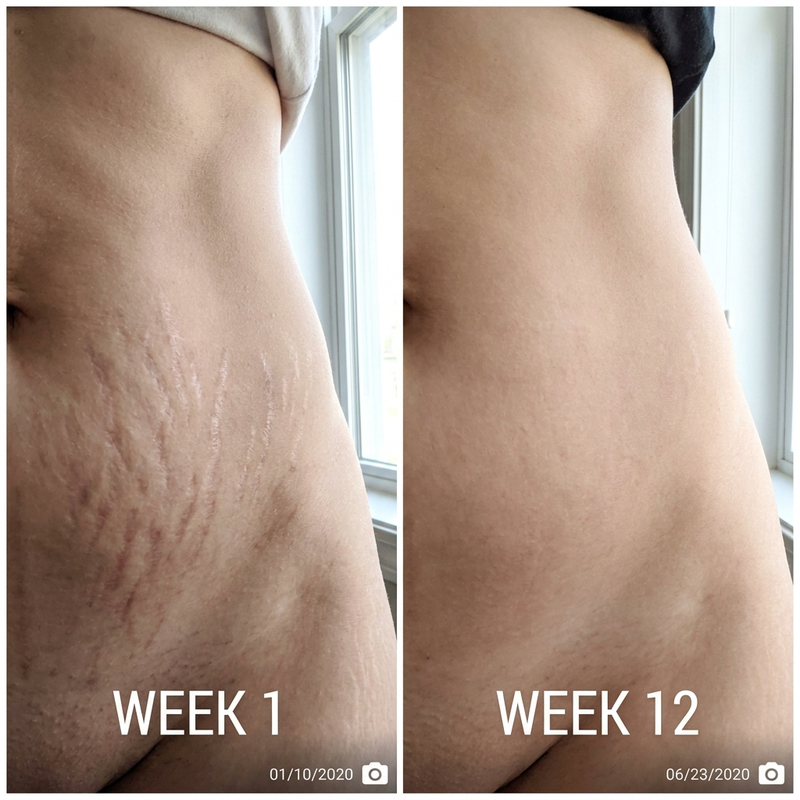
"I got stretch marks on my stomach and hips from my pregnancies. They're 6 and 4 years old. I'd accepted them as permanent. 12 weeks on Elastin Peptide and the texture has changed. They're flatter, smoother, way less noticeable. I cried the first time I really looked."
— Megan, 34
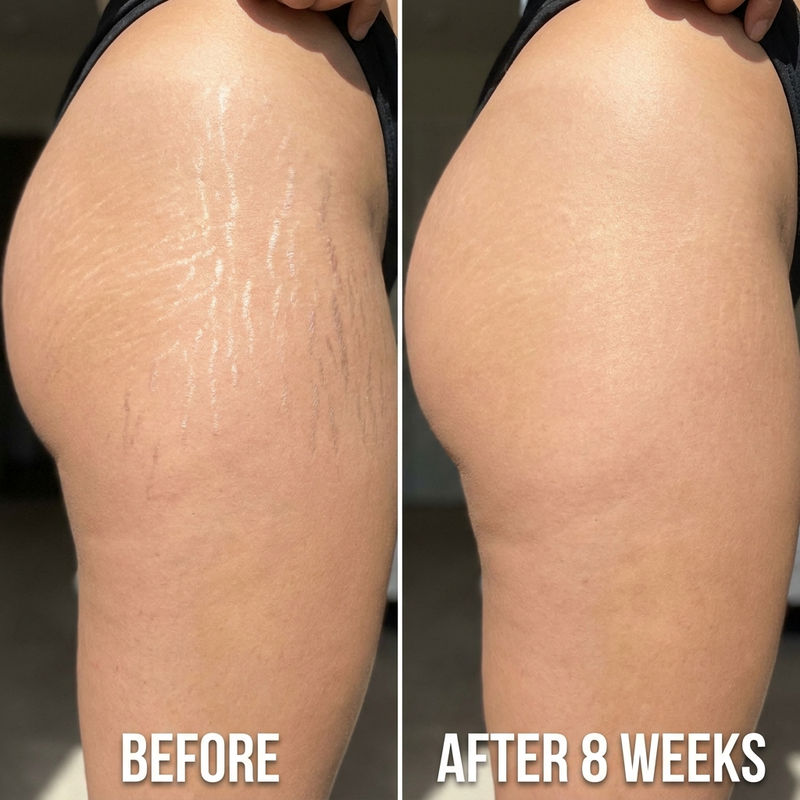
"I have stretch marks on my thighs and hips from a growth spurt as a teenager. I'm 29 now. Had them for over a decade. Tried every oil and cream. Two months on this is the first time the actual texture has changed, not just the color."
— Brianna, 29
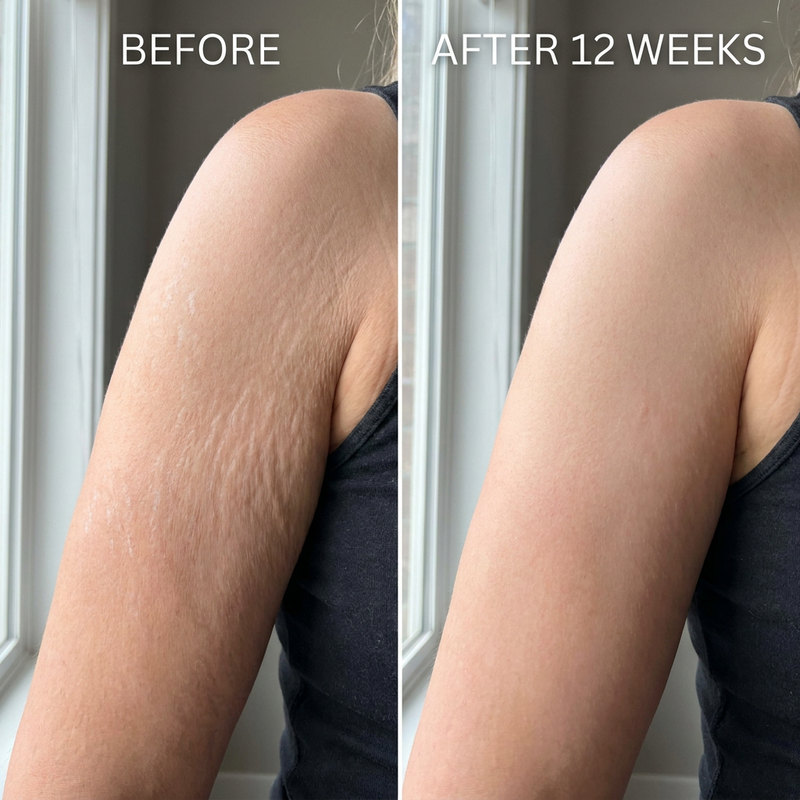
"Stretch marks from weight gain on my arms and stomach. I used to spend so much on creams that did nothing. Three months on Elastin Peptide and my skin feels thicker and the marks are genuinely fading in a way I didn't think was possible."
— Crystal, 41
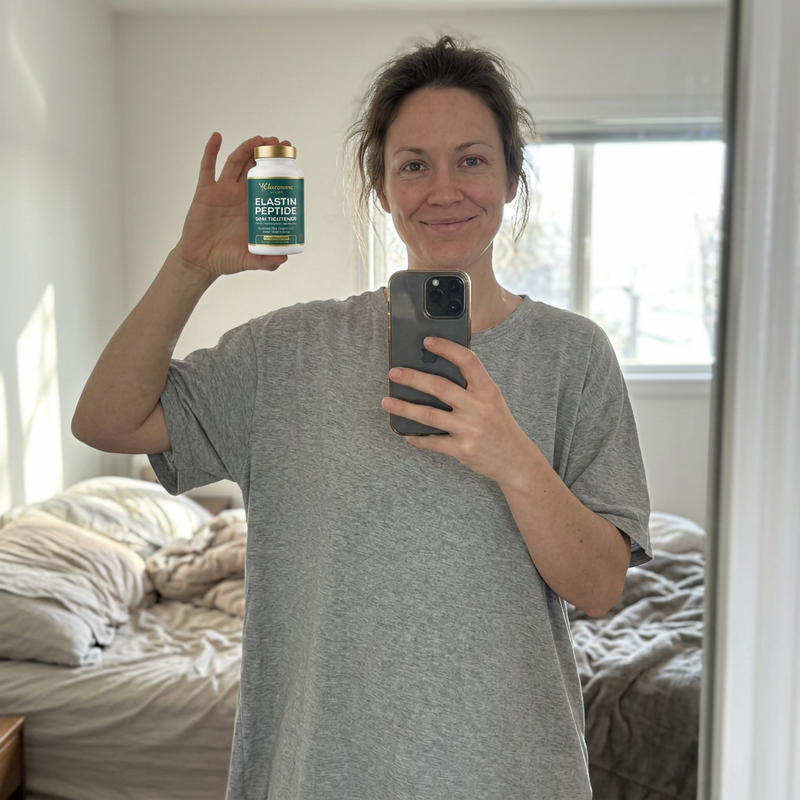
Marine elastin peptides cannot be synthesized in a lab or grown on a farm.
They're extracted from wild-caught fish through a specialized process most manufacturers cannot do.
The raw material is scarce and expensive, which is exactly why the industry has been selling you cheap creams and oils instead.
Claranova Labs produces Elastin Peptide in limited batches.
Each batch is third-party tested before it ships. Once it sells out, restocking takes weeks.
Claranova Labs Elastin Peptide.
60 capsules per bottle.
Full 30-day supply.
60-day money-back guarantee.
If your skin doesn't feel firmer and your stretch marks don't start to fade, you don't pay.
Check Availability Below.

TRY ELASTIN PEPTIDE NOW (60-Day Money-Back Guarantee)
Join thousands who've finally found the real solution for stretch marks. The only supplement delivering clinical-dose marine elastin peptides from wild-caught fish.
CHECK AVAILABILITY60-Day Money-Back Guarantee